
When your home has suffered a flood or fire, the first question you’ll likely ask is: What should I do after a flood or fire? The most important step is to ensure everyone’s safety first before attempting cleanup or restoration. Make sure your family and pets are safe and wait until emergency officials confirm it’s safe to enter. Once it’s safe, begin documenting damage with photos and videos, as this helps with insurance claims and planning restorations. Early action protects your home and family from further harm and sets the foundation for a smoother recovery.
1. Prioritize Safety and Check for Hazards
Your safety and your family’s come first. Never enter a fire- or flood-damaged home until authorities confirm it’s safe. Floodwaters can hide electrical hazards and structural weaknesses, while fire damage may leave behind unseen dangers like weakened floors or gas leaks. Wear protective gear such as gloves, masks, boots, and eye protection before inspecting any area. Avoid downed power lines or any signs of structural instability.
2. Document Everything for Insurance
As soon as it’s safe, take thorough photos and videos of all damaged areas. Document every room, damaged items, and structural issues. This documentation is critical for your insurance company and helps speed up claims and approvals. Keep receipts for temporary housing, emergency repairs, and supplies—these may be reimbursable. Detailed documentation makes it easier to recover costs and restore your home efficiently.
3. Contact Your Insurance Provider Early
Reach out to your insurance company immediately to report the damage. If you have homeowner’s insurance or flood/fire coverage, your provider will guide you on next steps and schedule adjusters to assess the loss. Filing early may help you access temporary financial support or living expense coverage while repairs are underway. Understanding what your policy covers ensures there are no surprises during the restoration process.
4. Begin Cleanup and Water Removal
For flood damage, remove standing water using pumps, wet/dry vacuums, fans, and dehumidifiers to dry surfaces quickly and reduce mold risk. Remove water-soaked materials like carpets, insulation, and furniture that cannot be salvaged. Clean all hard surfaces with soap and water, then disinfect to kill bacteria from contaminated water. Mold can start growing in as little as 24–48 hours, so acting quickly is critical. (trustavr.com/water-damage-restoration)
For fire damage, secure the property before cleanup. Firefighting often leaves water behind, so drying is essential. Smoke and soot cling to walls and surfaces, so professional help is recommended to restore air quality and remove hazardous residues. (trustavr.com/fire-damage-repair-and-cleanup-services)
5. Restore and Repair Your Home
After cleanup, it’s time to repair damage. Flood or fire often affects structural elements like drywall, flooring, electrical systems, and plumbing. Hire licensed professionals to repair major damage and ensure your home meets safety codes. This phase may include mold remediation, smoke odor removal, and rebuilding damaged sections. Professionals help restore your home efficiently and prevent future problems. (trustavr.com/reconstruction-restoration-services)
6. Take Steps to Prevent Future Damage
Once your home is restored, consider long-term improvements. Elevate utilities above potential flood levels, improve drainage, or upgrade fire safety systems like smoke alarms and fire-resistant materials. Planning now reduces risks if another disaster occurs, giving you peace of mind.
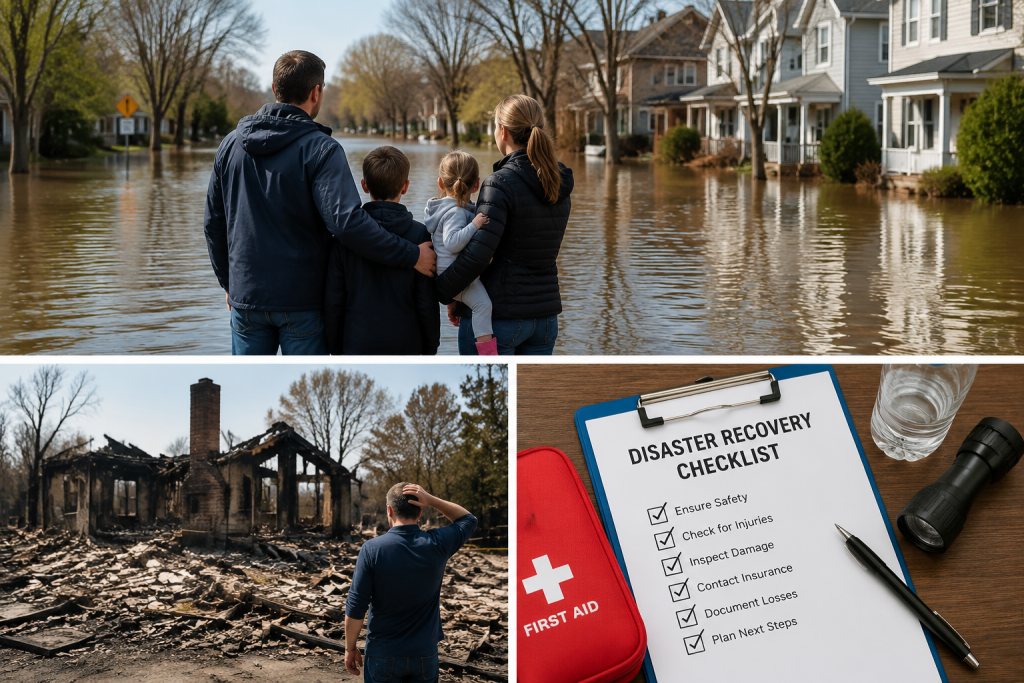
Conclusion: Restore with Confidence and Protect Your Future
Recovering from a flood or fire is overwhelming, but taking the right steps early and working with experienced professionals makes all the difference. From documenting damage to contacting your insurance and beginning cleanup, each action helps protect your home, health, and peace of mind. Whether it’s water damage restoration, fire damage repair, mold removal, or full reconstruction, professional help ensures the job is done safely and completely. (trustavr.com)
Delaying cleanup can lead to hidden problems like structural weakness, mold growth, or lost personal belongings. Professionals use advanced equipment and industry-standard methods to remove water, dry damaged areas, clean smoke and soot, and rebuild affected structures so you can return to normal life faster and with greater confidence. (trustavr.com)
For trusted and proven support in the aftermath of disaster, reach out to the experts at trustavr.com/water-damage-restoration or trustavr.com/fire-damage-repair-and-cleanup-services. As a veteran-owned company, licensed, insured, and available 24/7, they handle everything from emergency response to full restoration.
👉 Call now for a free inspection and quote or visit their website to learn more about services that protect your home and loved ones after flood, fire, mold, or biohazard damage. (trustavr.com)